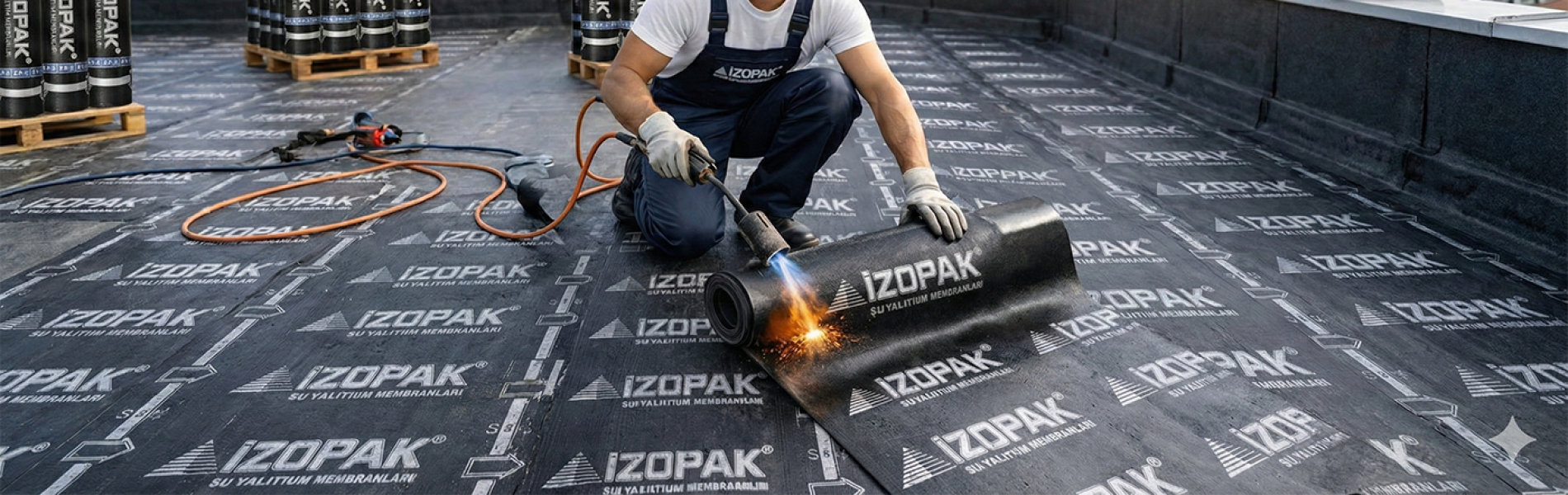
Discover Izopak highlights on products, application details, and innovations in the waterproofing industry.
Waterproofing cost includes more than membrane price per square metre; system layers, detailing, labour, substrate preparation and logistics all affect the project budget.
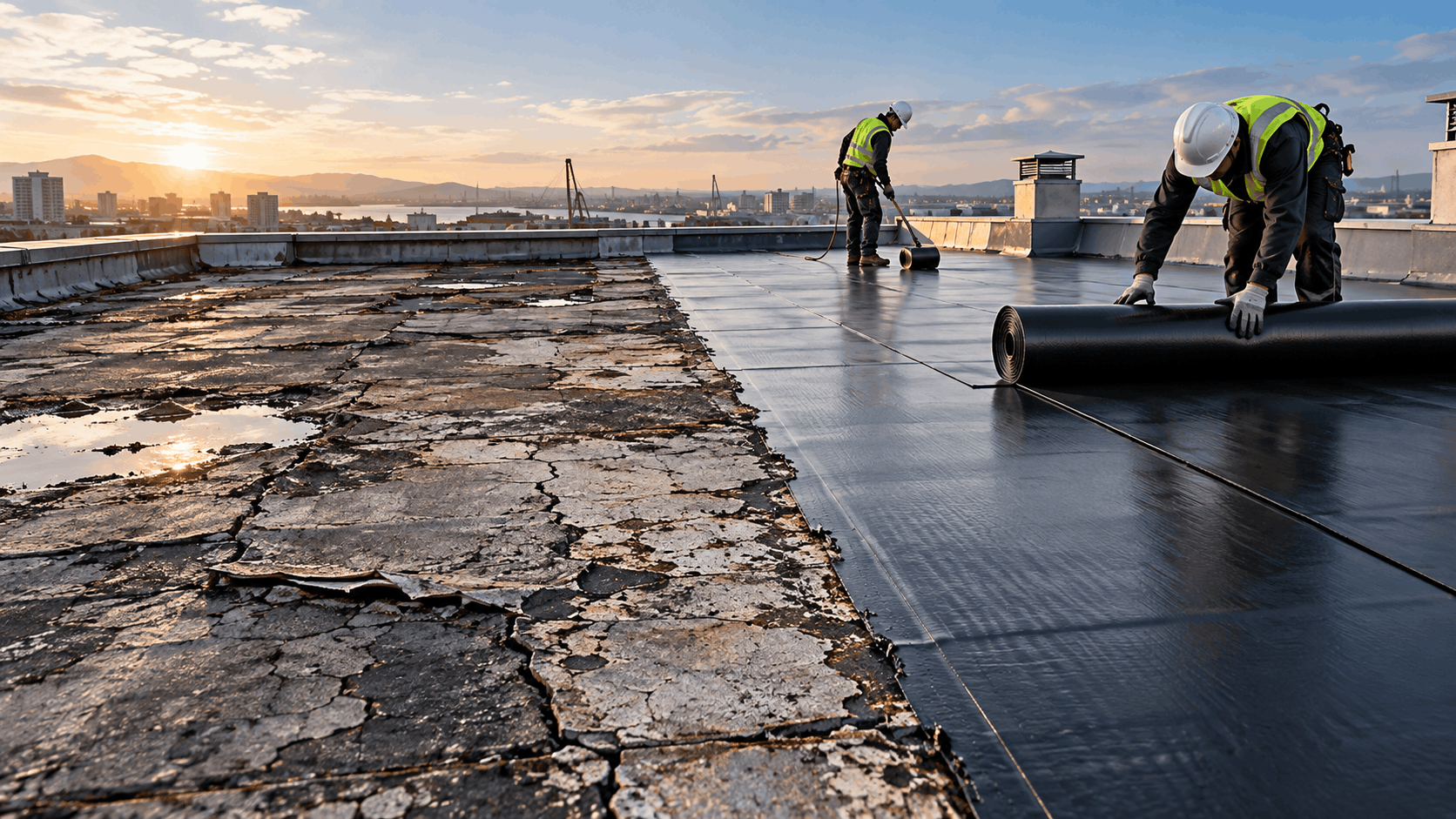
Blistering, open seams, recurring leaks and surface deterioration can indicate that an existing waterproofing membrane requires detailed assessment or renewal.
Temperature, rain, wind and substrate moisture can affect membrane installation quality, making suitable weather and surface conditions essential.
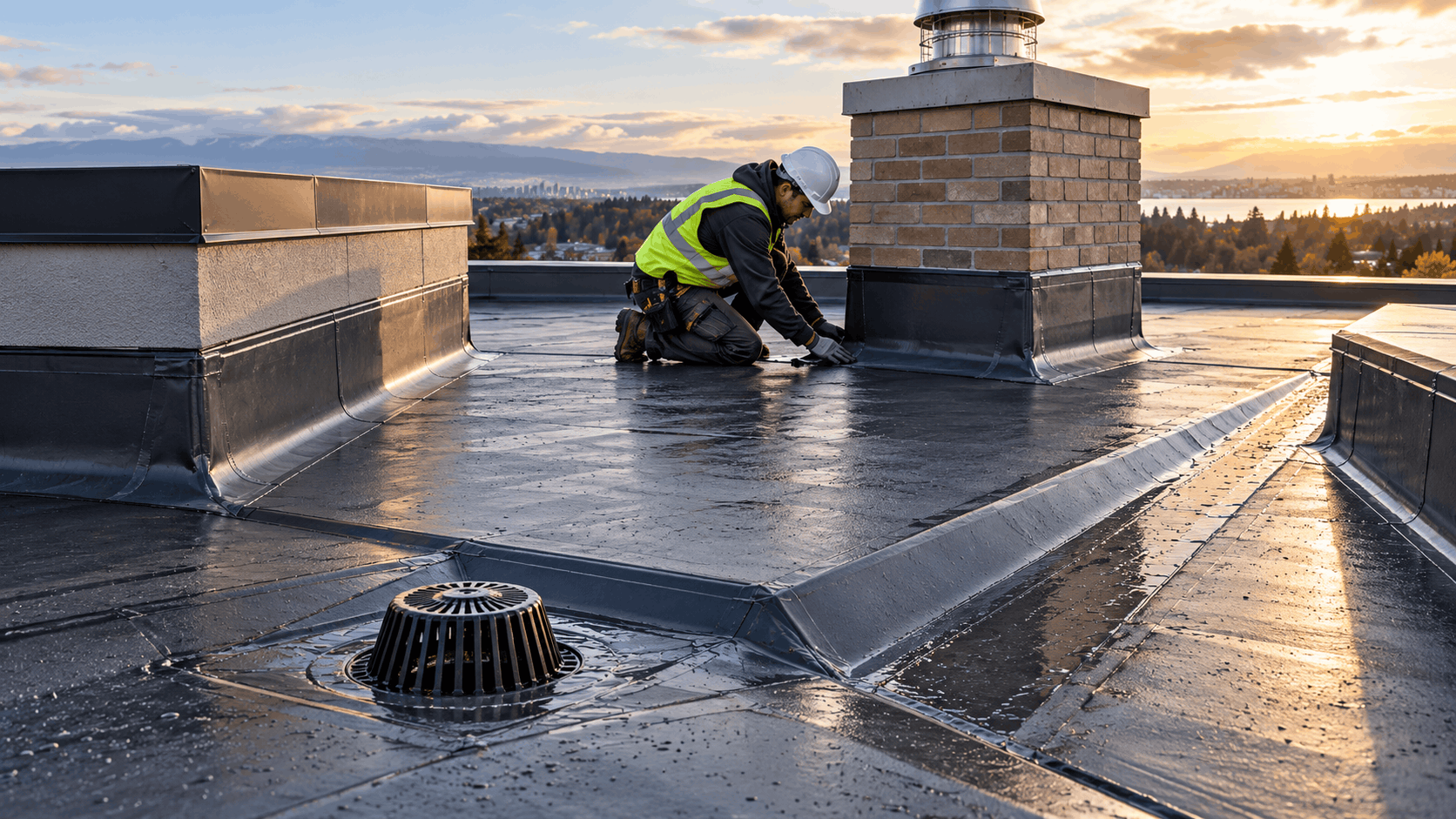
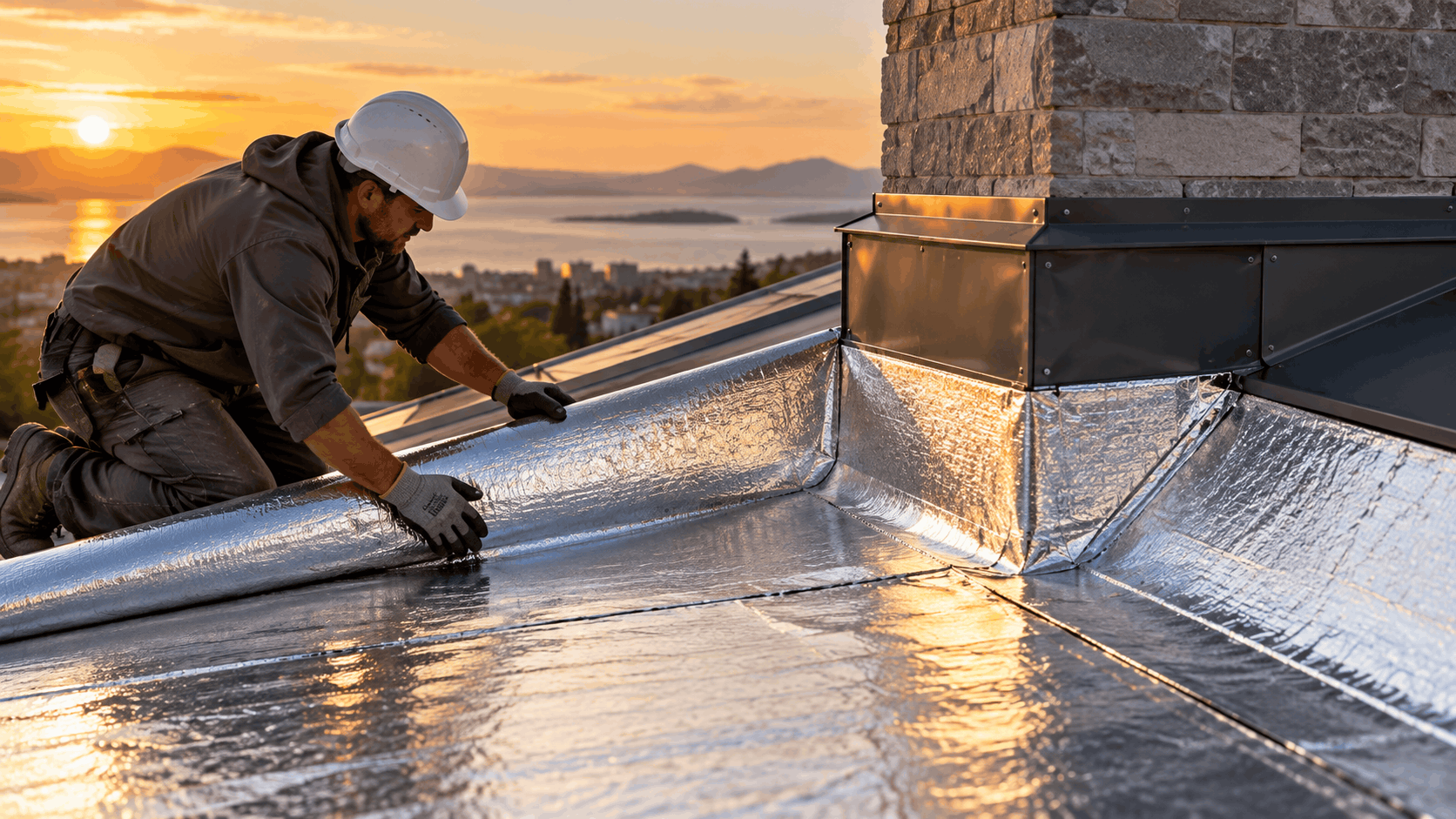
Waterproofing leaks often begin at complex junctions such as chimneys, roof valleys, drains and parapets rather than on large open surfaces.
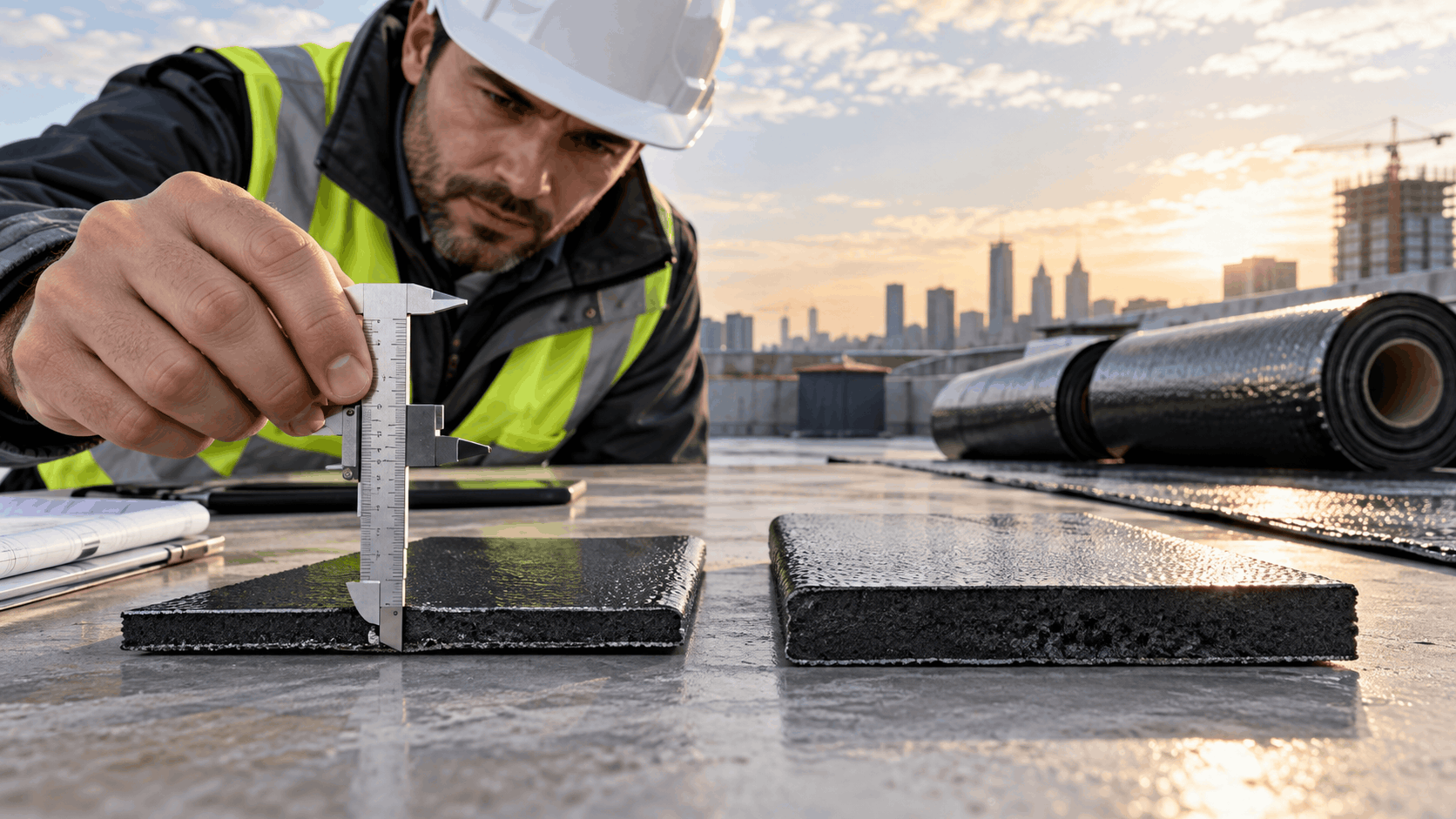
Choosing between 3 mm and 4 mm membranes should consider application area, system build-up, mechanical demands and project specifications, not thickness alone.
Foil-faced bituminous membranes are waterproofing solutions that can be specified for roof valleys, chimney details and specialised roofing applications.
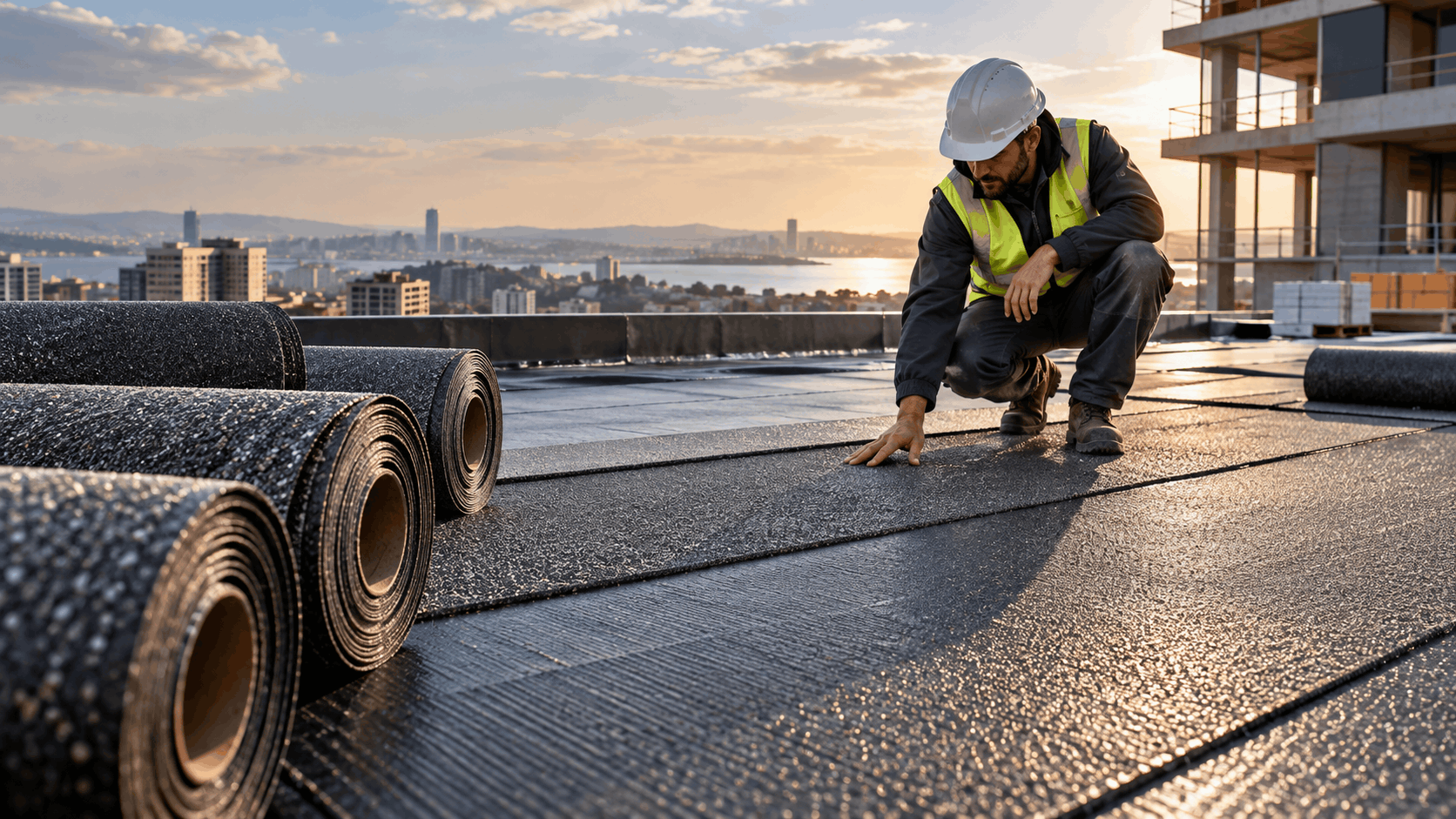
Mineral-surfaced bituminous membranes can be considered for exposed roofing applications thanks to their protective and decorative surface finish.
Bituminous primer is an important preparation material that supports surface compatibility and reliable membrane application before waterproofing works.
In professional projects, the right waterproofing system should be selected by evaluating building type, risk areas, specifications, product performance, workmanship and total cost together.